When organizations think about YouTube, it’s often treated like another social media platform; a place to publish videos alongside Facebook, Instagram, LinkedIn, or TikTok.
But that mindset misses one of YouTube’s biggest strengths.
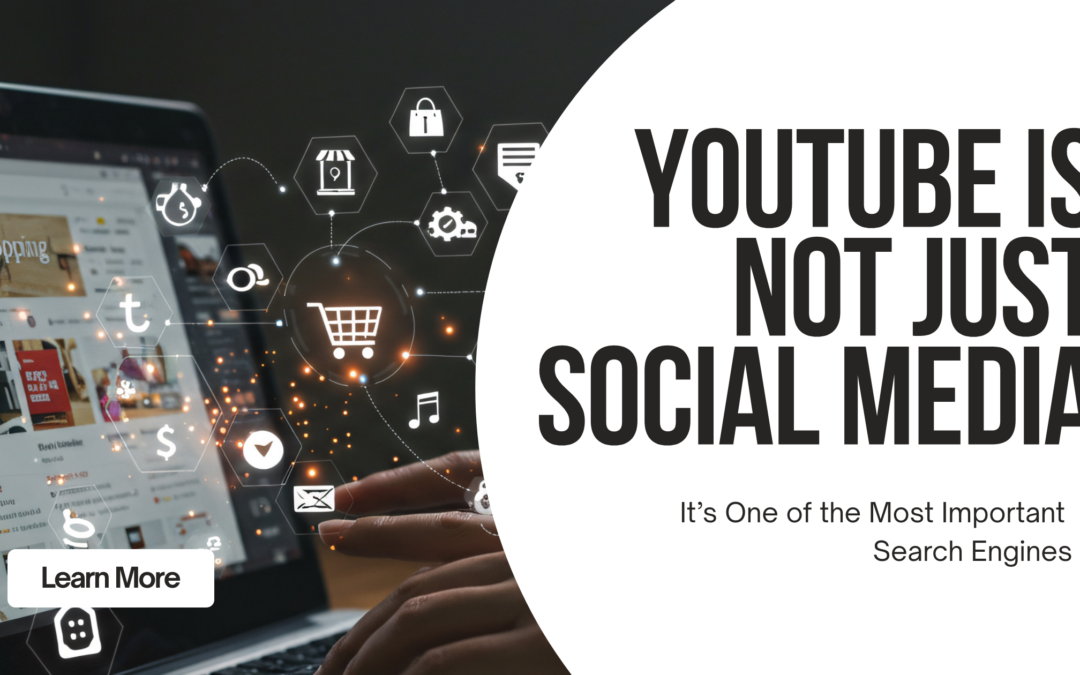
While YouTube certainly includes social features like comments, subscriptions, and recommendations, it functions much more like a search engine than a traditional social network. In fact, YouTube is the second-largest search engine in the world, behind Google, with millions of users actively searching for answers, tutorials, reviews, and educational content every day.
That distinction matters because it changes how we should approach creating video content.
People Go to YouTube Looking for Answers
Unlike many social platforms, where content is primarily discovered through an algorithmic feed, YouTube is designed to connect users with the most relevant video for a specific search.
Every day, users search for questions like:
- How to…
- Best…
- Review…
- Tutorial…
- Comparison…
- Fix…
- Explain…
Much like Google Search, YouTube even provides autocomplete suggestions based on popular searches, reinforcing that many users arrive with clear intent rather than simply looking to scroll.
According to Google, YouTube ranks videos using three primary signals:
- Relevance: How well the video’s title, description, tags, and content match the user’s search.
- Engagement: Signals such as watch time and overall viewer satisfaction.
- Quality: Indicators of expertise, authoritativeness, and trustworthiness.
In other words, success on YouTube depends on many of the same principles that drive success in traditional SEO.
YouTube Content Has a Much Longer Lifespan
Another major difference between YouTube and traditional social media is longevity.
Most social posts experience a brief spike in engagement before quickly disappearing from users’ feeds. A YouTube video, however, can continue appearing in search results and recommendations for months—or even years.
That makes YouTube videos much more comparable to evergreen blog content than to a typical social media post.
Instead of thinking about one week’s engagement, organizations have the opportunity to build a long-term library of educational resources that continue generating traffic long after publication.
Viewers Are Actively Researching
Google’s own research highlights how people use YouTube throughout their decision-making process:
- 90% of surveyed viewers use YouTube to learn more about topics they care about.
- 87% use YouTube to learn and grow.
- Viewers ranked YouTube as the #1 platform they turn to when researching brands, products, and services.
These findings reinforce that YouTube isn’t simply an entertainment platform. Many users arrive with the intention of learning something, solving a problem, or making an informed purchasing decision.
That makes discoverability incredibly important.
Video SEO Matters More Than Ever
If YouTube behaves like a search engine, then videos should be optimized the same way we’d optimize a webpage.
Some of the most important YouTube optimization opportunities include:
- Performing keyword research before creating content
- Writing descriptive, keyword-informed titles
- Creating detailed video descriptions
- Adding chapter timestamps
- Including accurate captions and transcripts
- Designing compelling thumbnails
- Building topical authority by publishing related content easily digested by LLMs and standard search engines over time
Each of these elements helps YouTube better understand what a video covers while also improving the viewer experience.
AI Search Is Making YouTube Even More Valuable
The importance of YouTube extends well beyond YouTube itself.
As AI-powered search continues to grow, video content is becoming increasingly visible across platforms like ChatGPT, Perplexity, and Google’s AI experiences.
Recent research from BrightEdge found that YouTube is cited roughly 200 times more often than any other video platform across major AI search experiences.
That means optimizing YouTube content today isn’t just about ranking within YouTube—it may also increase visibility wherever AI systems surface trusted video content in the future.
A Better Way to Think About YouTube
Instead of asking:
What should we post this week?
Consider asking:
What questions are our prospective clients searching for today—and what questions will they still be searching for a year from now?
That shift in thinking changes everything.
By treating YouTube the same way we approach blog content, organizations can build an evergreen library of videos that answers real questions and continues attracting qualified audiences over time.
With thoughtful optimization—including keyword research, descriptive titles, detailed descriptions, chapters, captions, and compelling thumbnails—each video becomes a long-term asset capable of driving search visibility, brand awareness, and prospective clients long after it’s published.
Viewed through that lens, YouTube isn’t simply another social media channel.
It’s one of the most powerful search platforms available. Work with Simple Search to get more eyes on (and customers from) your videos in search, social, and across all digital channels.